
Why downtime is killing Contractor Margins
Why downtime is killing contractor margins and why high-reliability service partners are becoming a competitive advantage
Author – Mark Quealy – Managing Director SECA
Downtime has become one of the most expensive and least visible risks in wastewater infrastructure operations. When crews are unable to work due to equipment failure or support delays, the financial impact quickly multiplies across projects, teams, and operational budgets.
For contractors delivering civil and sewer infrastructure projects, even a short period of downtime can disrupt schedules, delay deliverables, and damage relationships with clients and stakeholders.
The real issue is rarely just equipment failure. In most cases, downtime is the result of a broader operational system that includes slow servicing, unavailable parts, inconsistent suppliers, limited training, and reactive decision making.
Understanding the true cost of downtime helps contractors and infrastructure operators identify why high reliability service partners are becoming a competitive advantage in the industry.
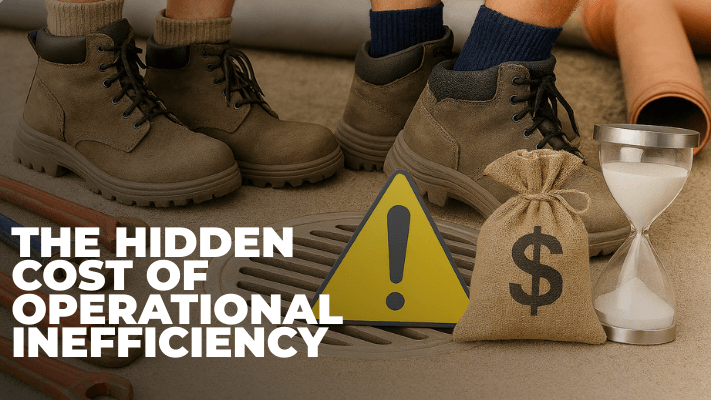
The Hidden Cost of Operational Downtime
Downtime affects more than a single job or piece of equipment. It creates a chain reaction across operations that impacts productivity, financial performance, and stakeholder confidence.
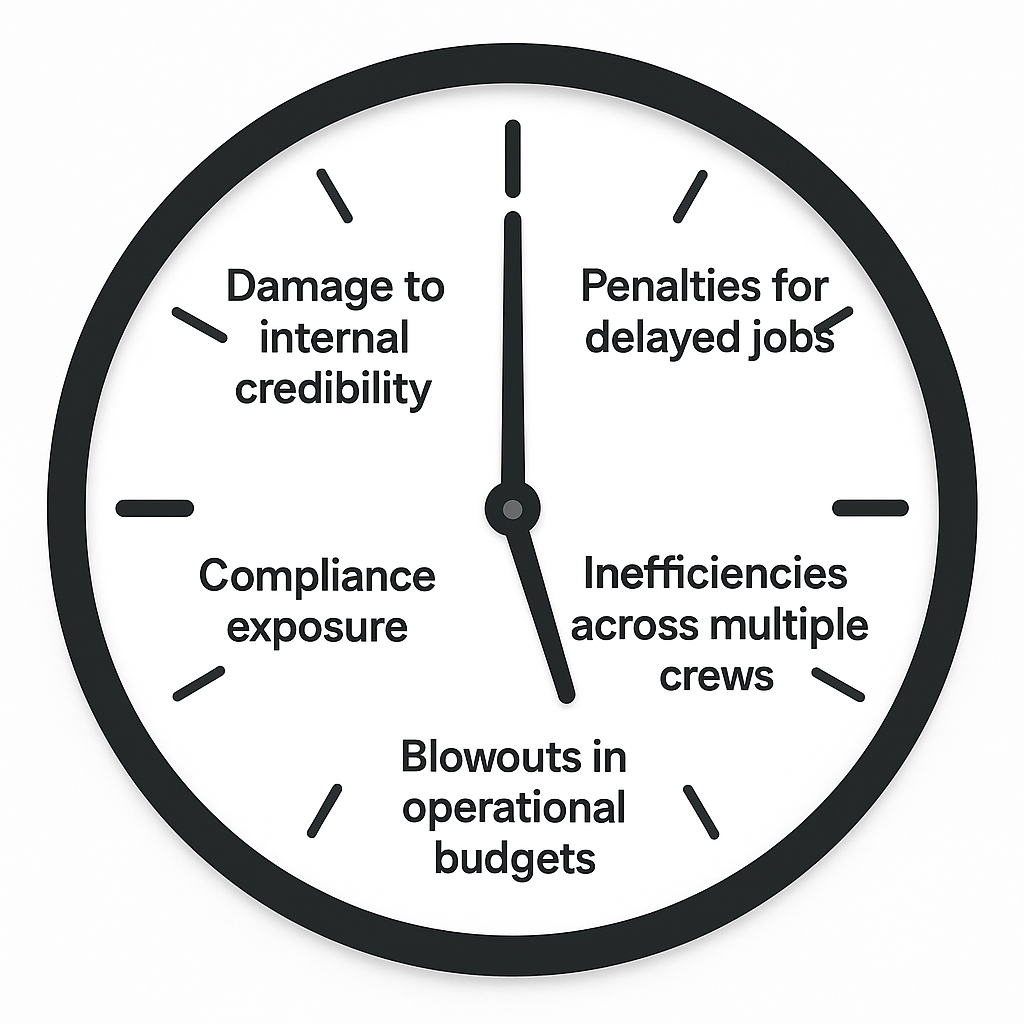
The true cost of downtime is rarely measured only in lost hours. Instead, it appears in multiple operational areas, including:
- Penalties for delayed projects
- Reduced productivity across multiple crews
- Budget overruns and operational cost increases
- Compliance risks and reporting delays
- Damage to internal credibility and client trust
When downtime occurs repeatedly, the financial impact compounds across the organisation.

Why Downtime Hits Contractors Harder
For contractors operating in sewer and wastewater infrastructure, equipment reliability directly affects revenue generation. When critical equipment fails, work often stops immediately.
A single equipment failure can halt an entire crew, creating immediate operational disruption.
Common impacts include:
- Crews standing idle while equipment is repaired
- Project deadlines slipping
- Supervisors scrambling for alternative solutions
- Client dissatisfaction increasing
- Labour costs rising while productivity declines
Because crews are scheduled across multiple projects and timelines, even a short interruption can cause significant workflow disruption.
How Supplier Delays Increase Downtime Risk
Downtime problems are often made worse by supplier limitations. Contractors frequently encounter long service queues, slow spare part delivery, and suppliers who do not fully understand civil infrastructure workflows.
These delays can introduce additional operational challenges such as:
- Inconsistent equipment models across crews
- Increased training requirements for operators
- Higher risk of user errors
- Increased rework rates on site
- Extended downtime during large projects or tenders
Managing multiple suppliers with inconsistent service levels can also create unnecessary complexity in equipment maintenance and support.
Reliable supplier partnerships help reduce these risks by providing faster servicing and consistent equipment support.

Staff Turnover and Training Gaps Increase Failure Risk
Another overlooked contributor to downtime is workforce turnover. As crews change and new operators begin using specialised equipment, improper handling and misuse can lead to premature equipment failure.
Without proper training and operational support, even high quality equipment can experience reduced lifespan.
This creates a cycle where:
- Equipment is used incorrectly
- Wear and damage occur faster
- Repairs become more frequent
- Operational downtime increases
Training programs and ongoing support play a key role in preventing these issues and ensuring equipment is used correctly across all teams.

Compliance and Reporting Pressures Amplify Downtime Impact
Contractors working with councils, utilities, and infrastructure authorities operate in highly regulated environments. Equipment reliability directly affects compliance reporting, inspection documentation, and project delivery obligations.
When downtime occurs, organisations face additional pressures including:
- Delays in inspection reporting
- Reduced ability to meet contractual deadlines
- Increased scrutiny from asset owners and regulators
- Risk to future tender opportunities
Maintaining reliable equipment and support systems is therefore essential for maintaining compliance and protecting business relationships.
How High Reliability Service Partners Reduce Downtime
Leading organisations in the infrastructure sector increasingly recognise that uptime is not accidental. It is the result of strong partnerships with service providers who prioritise reliability and operational support.
High reliability service partners provide advantages such as:
- Faster equipment servicing turnaround
- Access to local spare parts and technical support
- Consistent equipment platforms across crews
- Reduced downtime during critical projects
When supplier relationships are treated as strategic partnerships rather than simple transactions, contractors gain a significant operational advantage.

Training Programs Improve Equipment Reliability
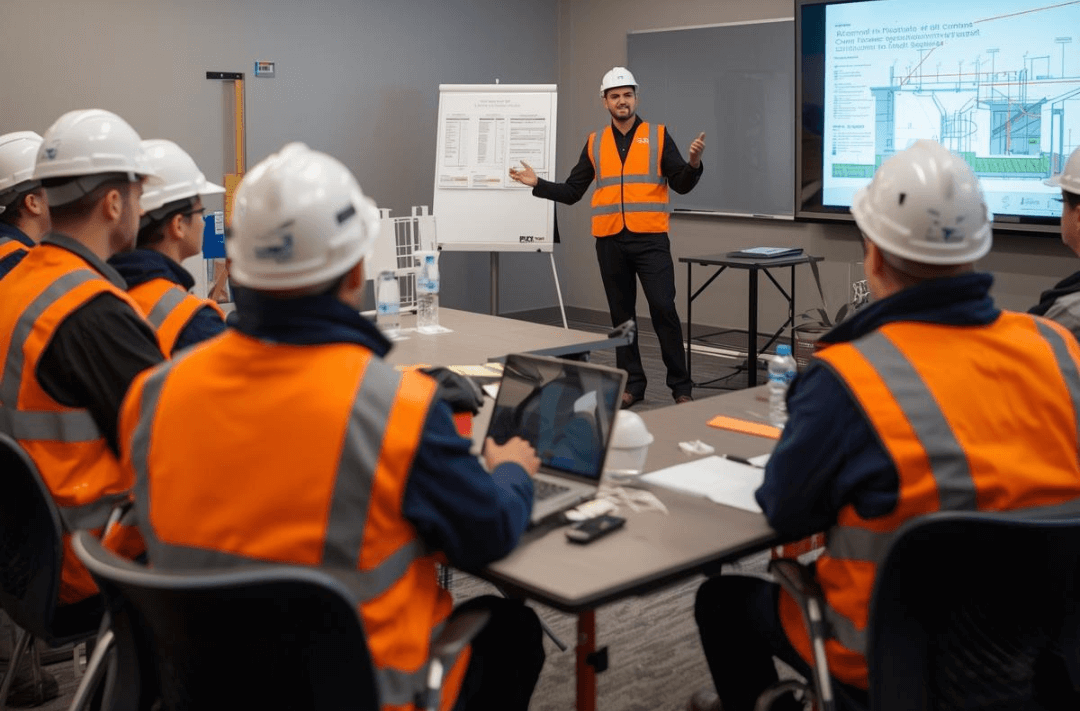
Operator training is one of the most effective ways to reduce downtime and extend equipment lifespan.
Well structured training programs help teams:
- Operate equipment safely and correctly
- Identify early signs of equipment issues
- Maintain consistent workflows across crews
- Reduce costly user errors
Training also improves equipment adoption across teams, ensuring that operators can use advanced technology efficiently.
For organisations managing multiple crews, consistent training programs support operational efficiency and reduce the likelihood of rework.
Downtime Is No Longer Just a Cost
In modern infrastructure operations, downtime is not just a financial expense. It is a competitive disadvantage.
Organisations that maintain reliable equipment and strong support networks benefit from:
- Faster job completion
- Fewer operational delays
- Stronger client relationships
- Higher success rates in competitive tenders
Reliability has become a key operational strategy rather than a luxury feature.
Why Reliability Is a Strategic Decision
Contractors and infrastructure authorities responsible for wastewater assets must view reliability as a core part of their operational strategy.
Investing in reliable service ecosystems creates measurable benefits including:
- Greater operational predictability
- Improved workforce efficiency
- Stronger stakeholder confidence
- Increased competitive advantage
Organisations that prioritise reliability consistently outperform those relying on reactive maintenance approaches.
How SECA Helps Contractors Reduce Operational Downtime
Reducing downtime requires both reliable equipment and strong technical support. Infrastructure contractors benefit from working with service providers who understand civil and sewer inspection operations.
SECA supports contractors and asset owners by providing:
- Fast turnaround servicing and locally available spare parts
- Highly trained technicians experienced in sewer and civil infrastructure
- Council ready documentation and compliance support
- Training programs designed for multi crew rollout and adoption
- Long term partnerships focused on operational reliability
By prioritising uptime and operational support, SECA helps contractors keep crews productive, maintain project timelines, and protect their reputation across major infrastructure projects.
Good catch. If the original page ends with a “CONTACT US” CTA link, the rewrite should replicate that structure exactly. That means:
- No long promotional CTA section
- A short closing paragraph
- A final CTA heading or line
- “Contact Us” linking to SECA
The role of SECA is simple. Keep your crews working, your assets moving, and your reputation strong.
If you want to reduce downtime across your operations and improve equipment reliability, speak with the team at SECA to learn how the right service and support ecosystem can keep your crews productive and your projects on track.