
Why Invest in Professional Drain Camera Services
Modern property maintenance increasingly relies on advanced technology to diagnose and prevent plumbing problems. As buildings age and underground pipe systems become more complex, property owners face growing challenges in maintaining reliable drainage infrastructure.

Professional drain camera services provide a powerful solution for identifying hidden plumbing issues before they escalate into costly repairs. By using specialised inspection cameras, technicians can examine underground pipes in detail without excavation, allowing for faster diagnosis and targeted repairs.
This guide explains how drain camera technology works, the benefits of professional inspections, and when property owners should consider scheduling a drain camera service.
Understanding Modern Drain Camera Technology
Drain camera technology represents a major advancement over traditional plumbing diagnostic methods. In the past, locating pipe problems often required excavation, guesswork, or trial and error.
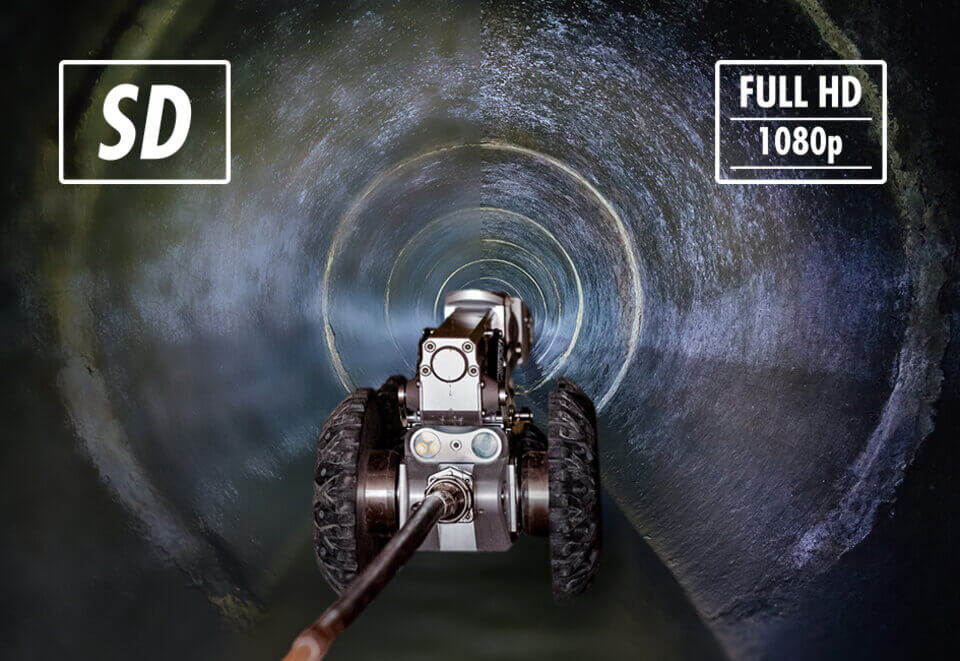
Today’s inspection cameras provide clear, high resolution video footage of underground pipelines. This allows technicians to assess pipe conditions accurately and identify defects quickly.
Drain cameras help professionals detect issues such as:
- Pipe blockages and debris buildup
- Tree root intrusion
- Pipe cracks and fractures
- Joint misalignment
- Corrosion or pipe deterioration
Because the inspection process is visual, technicians can identify the exact location and severity of problems before recommending repairs.
Challenges Facing Underground Plumbing Systems
Most property owners only become aware of their plumbing system when problems occur. However, underground pipes are constantly exposed to environmental stresses.
Common factors affecting underground pipe systems include:
- Tree root growth seeking water sources
- Soil movement and ground settlement
- Aging pipe materials
- Debris accumulation
- Heavy surface loads above pipelines
Regular inspection helps identify these risks before they develop into major failures.

How Drain Camera Inspections Work
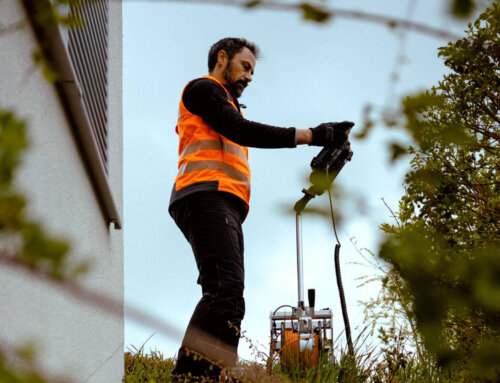
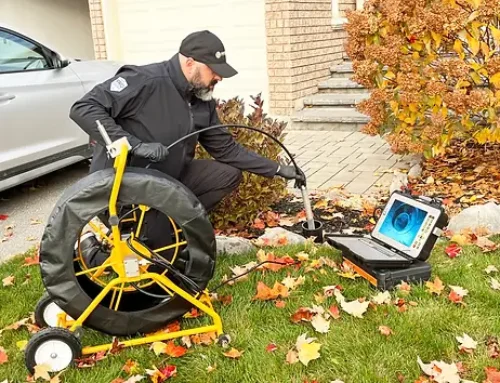
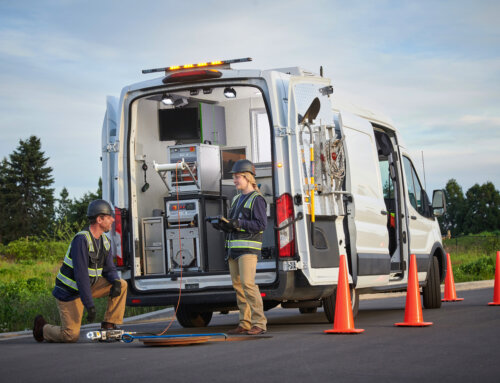
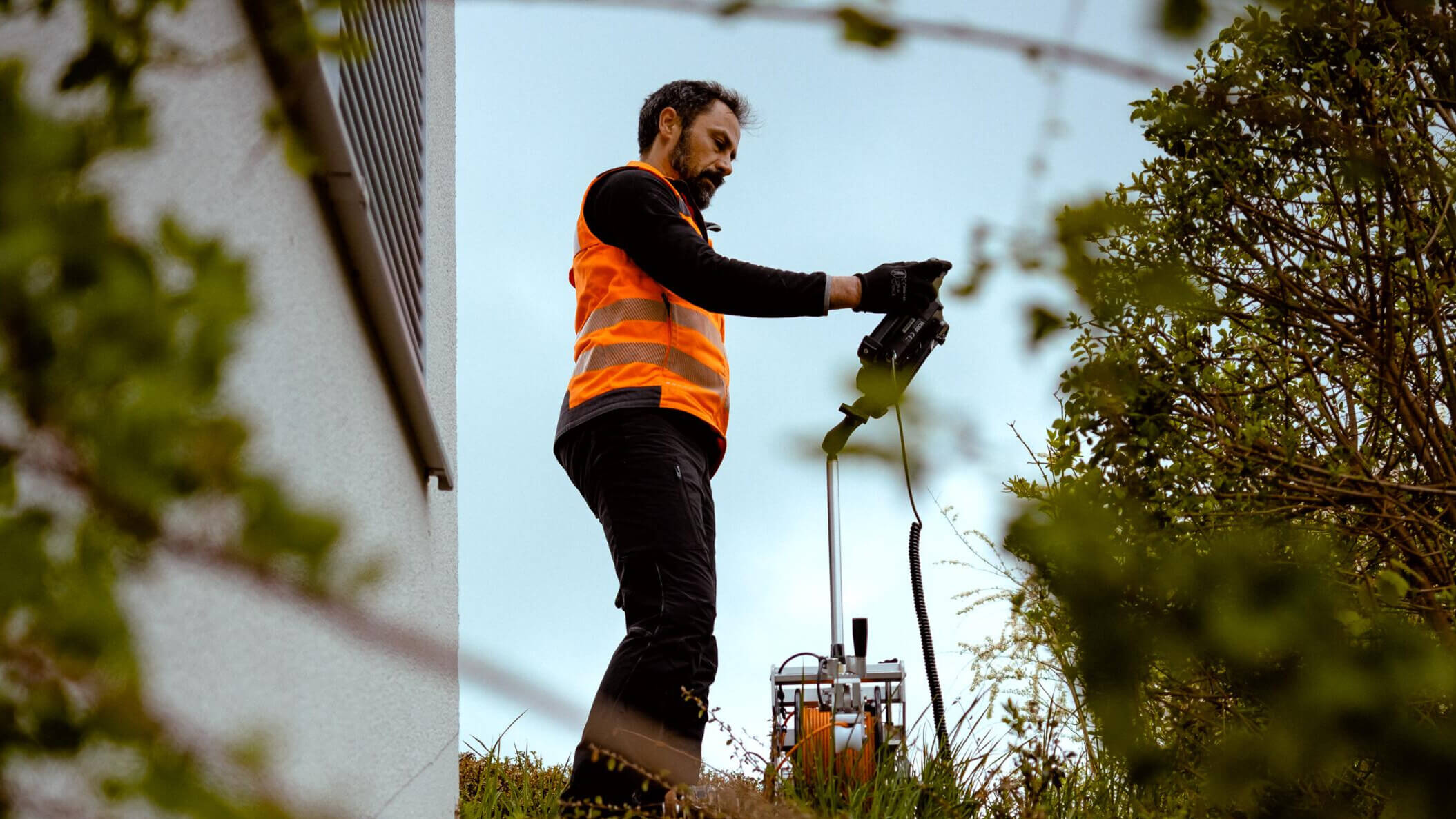
Professional drain inspection systems use specialised equipment designed to navigate underground pipe networks and capture real time video footage.
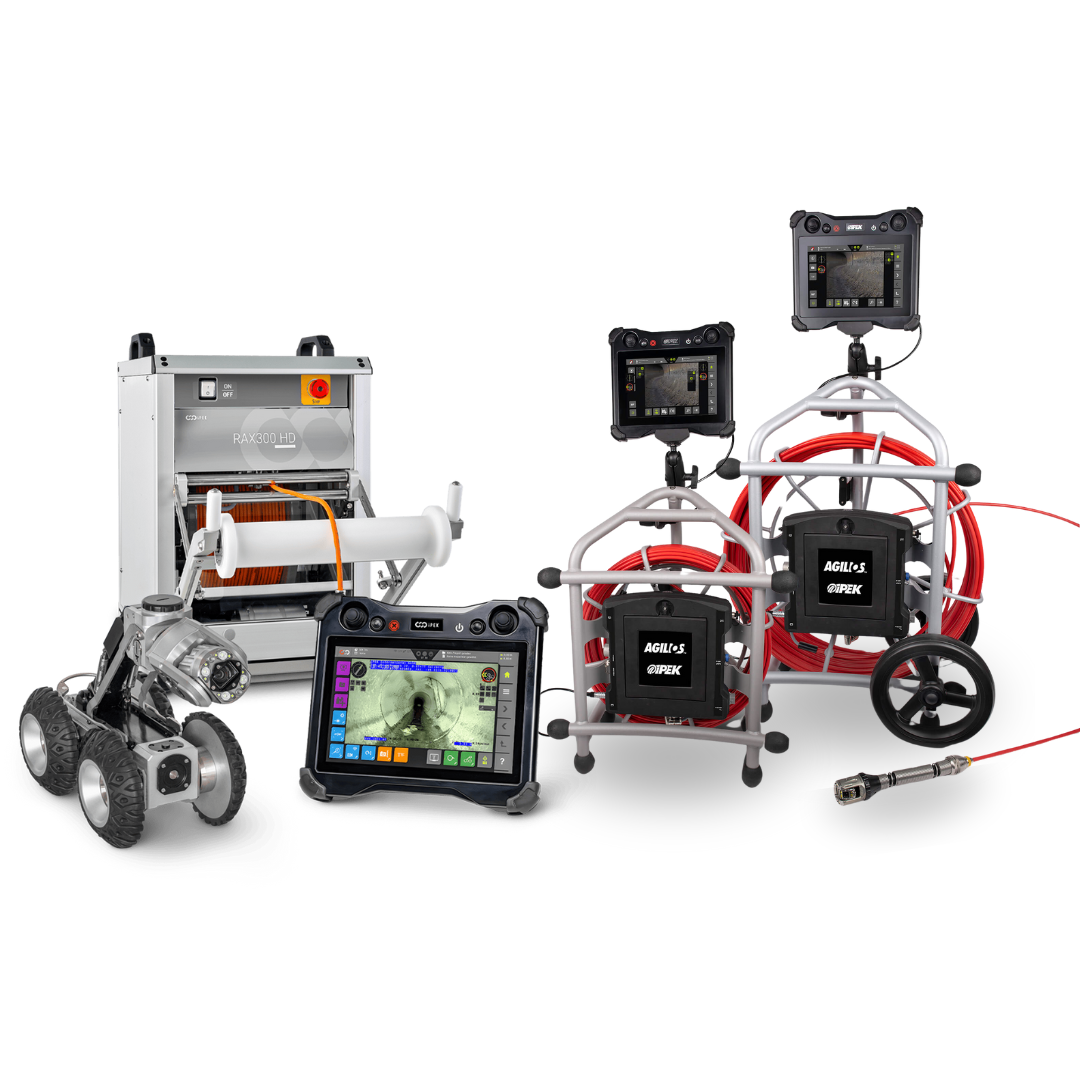
A typical inspection system includes three primary components:
- A waterproof high definition camera head with powerful LED lighting
- A flexible fibre optic cable that travels through the pipe
- A monitoring unit that displays and records the inspection footage
Most systems can inspect pipes ranging from approximately 50mm to 900mm in diameter. Depending on the equipment used, technicians can inspect up to 100 metres of pipe during a single inspection.
Types of Equipment Used in Professional Drain Inspections
Professional plumbing technicians use different types of inspection equipment depending on pipe size, system complexity, and access conditions.
Push Camera Systems
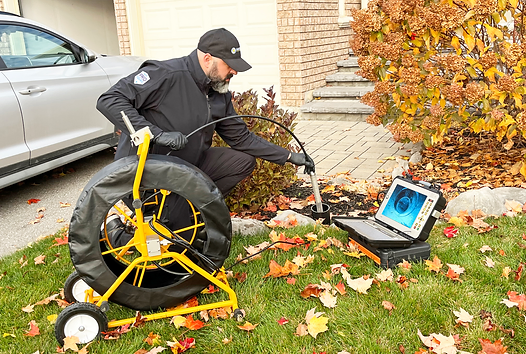
Push cameras are commonly used for residential drainage systems and smaller pipelines.
Key features include:
- Flexible push rod cables
- Self levelling camera heads
- Real time video inspection capability
- Suitable for smaller diameter pipes
These systems are ideal for inspecting household drainage systems and short pipe runs.
Crawler Camera Systems
Crawler cameras are remote controlled robotic inspection units used for larger sewer or stormwater pipelines.
Crawler systems typically provide:
- Remote controlled movement through pipes
- 360 degree camera views
- Pan, tilt, and zoom functionality
- Longer inspection distances
These systems are commonly used in municipal sewer inspections and large commercial drainage networks.
Locator Devices
Locator devices help technicians determine the precise location and depth of pipe defects identified during camera inspections.
This technology allows repairs to be performed with minimal excavation, reducing property disruption and repair costs.
Key Benefits of Professional Drain Camera Services
Drain camera inspections offer several advantages compared with traditional plumbing diagnostic methods.
Non Invasive Pipe Inspection
One of the most significant benefits of drain camera technology is the ability to inspect pipes without digging.
Instead of excavating large sections of a property, technicians can visually inspect pipes through existing access points.
Benefits include:
- Minimal disruption to property surfaces
- No damage to landscaping or paving
- Faster inspection times
- Reduced labour costs
Precise Problem Detection
Drain cameras allow technicians to identify plumbing problems with a high level of accuracy.
Common issues detected include:
- Tree root intrusion
- Pipe cracks or fractures
- Debris blockages
- Pipe joint separation
- Pipe corrosion or deterioration
Detailed inspection footage allows plumbers to measure the size and location of defects, enabling targeted repair strategies.
Cost Effective Maintenance
Professional drain inspections can save property owners significant costs by identifying issues early.
Typical inspection costs range from approximately $250 to $600 depending on system complexity and property size. However, early detection can prevent expensive emergency repairs or extensive excavation.
Financial advantages include:
- Preventing unnecessary digging
- Detecting small problems early
- Enabling targeted repairs
- Reducing emergency plumbing callouts
- Providing documentation for insurance claims
When Should You Schedule a Drain Camera Inspection?
Drain camera inspections can be scheduled either as part of routine maintenance or when plumbing problems appear.
Preventive Maintenance Inspections
Routine inspections help identify hidden problems before they cause system failures.
Recommended times for inspections include:
- Before purchasing a property
- During renovation planning
- After severe storms or flooding
- Every two to three years for routine maintenance
Properties located in areas with mature trees may require more frequent inspections due to aggressive root systems seeking moisture inside pipelines.
Warning Signs That Require Immediate Inspection
Certain symptoms may indicate developing drainage problems.
Common warning signs include:
- Slow draining sinks or showers
- Frequent drain blockages
- Persistent unpleasant odours
- Wet patches appearing in the yard
- Gurgling sounds in plumbing fixtures
- Sewer backup inside the property
These signs often indicate underlying pipe damage or blockages that require professional inspection.
Emergency Drainage Situations
Some situations require immediate drain inspection to prevent serious property damage.
Emergency indicators include:
- Multiple drains backing up simultaneously
- Sewage overflow or strong sewage odours
- Sudden sinkholes or ground depressions
- Damp or unstable building foundations
- Unusually green patches of lawn
Early intervention helps minimise repair costs and environmental risks.
What Happens During a Drain Camera Inspection?
A professional drain inspection follows a structured process to ensure the entire pipeline system is properly evaluated.
Inspection Procedure
During the inspection, technicians will:
- Insert the inspection camera through an access point
- Navigate the camera through the pipe network
- Record video footage of pipe conditions
- Mark the location of detected issues
- Explain findings to the property owner
Real time monitoring allows technicians to identify issues immediately during the inspection.
Post-Inspection Report
After the inspection is complete, property owners typically receive a detailed report outlining the condition of the drainage system.
The report may include:
- Recorded inspection video footage
- Identified problem areas
- Recommended repair strategies
- Estimated repair costs
- Preventive maintenance suggestions
This documentation helps property owners make informed decisions about repairs and maintenance.

Frequently Asked Questions About Drain Camera Inspections
Protect Your Plumbing System with Professional Drain Camera Inspections
Professional drain camera inspections provide an efficient and non invasive way to assess the health of underground plumbing systems. By detecting problems early, property owners can prevent costly repairs and maintain reliable drainage infrastructure.
If you need professional drain camera inspection services, the experienced team at SECA can help. Using advanced pipeline inspection technology and experienced technicians, SECA delivers detailed inspections and practical repair recommendations that help protect your property’s drainage system.