Smarter Pipe Inspection Starts Before the Dig
By Grant Brown, Head of Sales & Marketing, SECA
Most sewer and stormwater failures don’t happen overnight.
What starts as a small crack, root intrusion, offset joint, or structural defect can quietly develop into a major failure long before anyone notices. By the time the problem reaches the surface, the repair bill usually arrives with it.
That’s why the industry is shifting away from reactive maintenance and towards smarter, data-driven inspection programs.
At SECA, we’re seeing more councils, contractors, and plumbing operators invest in inspection technology that helps them identify problems earlier, reduce downtime, and make better long-term asset decisions. One of the most exciting developments in that space is the Quickview 360.
The Industry is Changing Fast
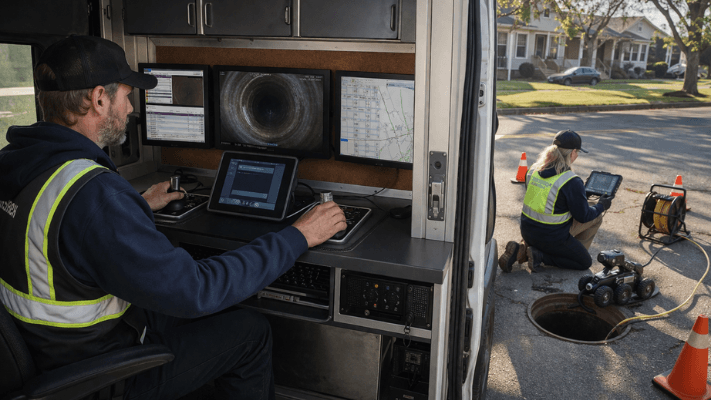
For years, pipe inspection workflows have been slow, labour intensive, and heavily reliant on manual reporting.
Traditional inspections often involve:
- multiple crew members
- confined space procedures
- traffic management
- lengthy CCTV reviews
- and hours of post-inspection reporting
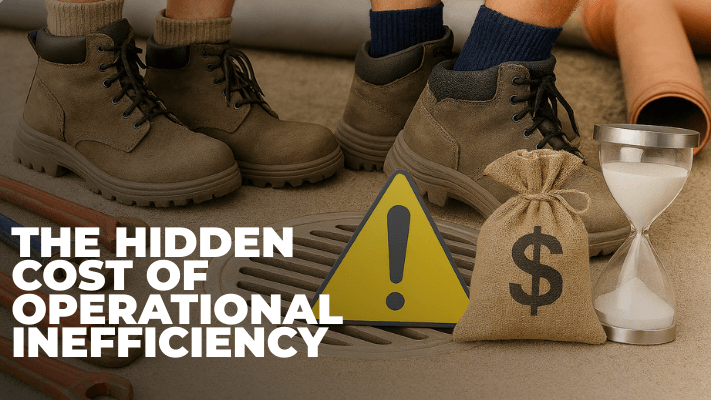
The challenge is that ageing infrastructure isn’t slowing down. Budgets aren’t getting bigger. And skilled labour certainly isn’t becoming easier to find.
The operators staying ahead now are the ones finding ways to inspect more assets, faster, with better data and less operational disruption.
That’s exactly where systems like the Quickview 360 come into play.

What Makes the Quickview 360 Different?
The Quickview 360 is designed to dramatically speed up manhole inspection workflows while improving the quality and consistency of the inspection data collected.
Using dual HD cameras mounted on a telescopic pole, the system captures full 360-degree video footage of manholes and underground assets without requiring confined space entry in many situations.
What used to take significant setup time can now be completed by a single operator in minutes.
And that matters more than most people realise.
Because faster inspections don’t just save time. They fundamentally improve how networks are managed.
Better Inspection Data = Better Decisions
Pipe inspection is no longer just about finding blockages.
The real value comes from the ability to build a clearer picture of network condition over time.
The councils and contractors getting ahead are using inspection technology to:
- prioritise maintenance
- identify recurring issues
- plan rehabilitation works
- reduce emergency callouts
- improve compliance reporting
- and extend asset life
That’s a massive shift from the old “wait until it fails” mindset that has dominated the industry for decades.
At SECA, we talk a lot internally about the difference between reactive operators and proactive style asset management. That’s the move from constantly patching problems to building smarter long-term systems backed by better data and better technology.
And honestly, that’s where the entire industry is heading whether people are ready for it or not.
Faster Inspections Create Real Operational Gains
One of the biggest advantages of the Quickview 360 is inspection speed.
The system allows operators to inspect large volumes of assets quickly and consistently, helping teams cover more ground without dramatically increasing labour costs.
For contractors, that means:
- faster project completion
- better crew utilisation
- less downtime
- and improved profitability
For councils and utilities, it means:
- broader network visibility
- more proactive maintenance planning
- reduced risk exposure
- and stronger long-term asset forecasting
That’s the difference between managing infrastructure and constantly chasing problems.
Safety Matters Too
Confined space entry remains one of the highest-risk activities in underground infrastructure work.
Reducing the need for crews to physically enter assets improves safety outcomes while also streamlining workflows.
Systems like the Quickview 360 allow inspections to be completed from street level using wireless controls and telescopic deployment systems.
Safer workflows. Faster deployment. Less disruption.
That’s not marketing fluff. That’s operational common sense.
Reporting Has Become Just as Important as Inspection
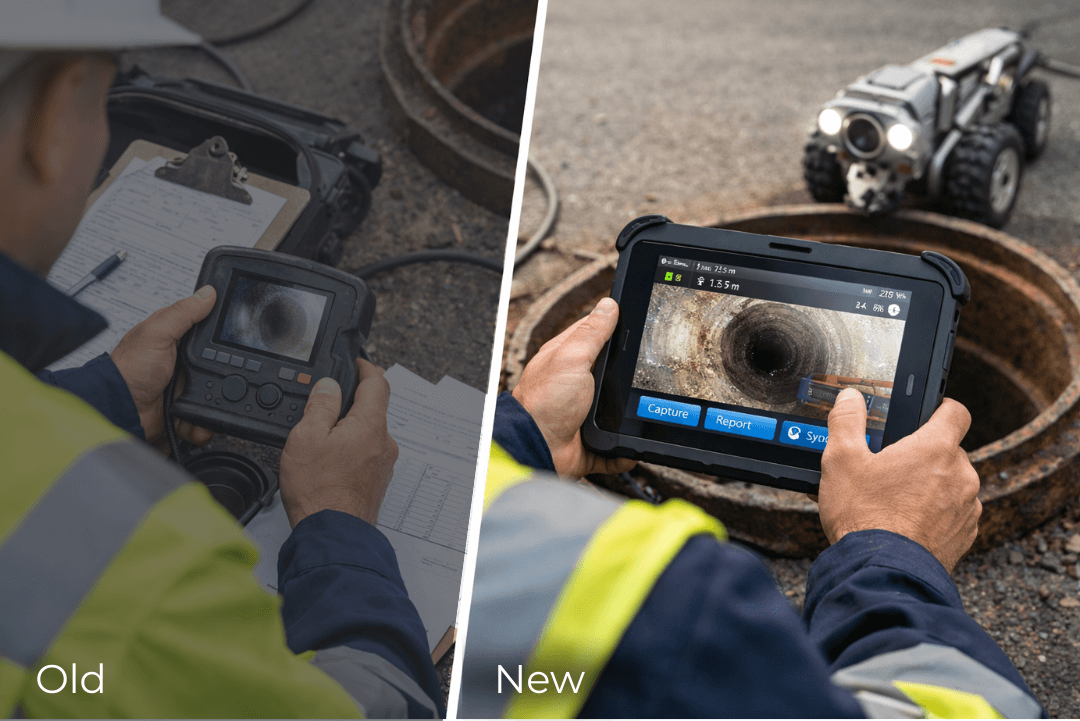
One of the biggest pain points in traditional inspection work has always been reporting.
Capturing footage is easy.
Turning that footage into useful, shareable information is where teams lose time.
Modern systems now integrate cloud-connected reporting, AI-supported defect coding, and digital asset management platforms that dramatically reduce admin time and improve collaboration across teams.
That means operators can spend less time buried in reports and more time making decisions that improve network performance.
And if we’re being honest, that’s where the real value sits.
Not in owning more footage.
In making faster, smarter decisions with it.

The Future of Pipe Inspection is Proactive
The operators who continue treating pipe inspection as a basic compliance exercise are going to get left behind.
The industry is moving towards:
- smarter inspection programs,
- predictive maintenance,
- integrated asset data,
- and faster decision-making.
Technology like the Quickview 360 is helping drive that shift.
Not because it looks impressive in a demo.
But because it solves real operational problems.
Less downtime.
Better visibility.
Safer inspections.
Smarter maintenance planning.
That’s the future of underground infrastructure management.
And frankly, it’s already here.
Ready to learn more about the Quickview 360 and SECA’s inspection solutions?