Sewer Camera Buying Guide
Pipe inspection technology has transformed how plumbing professionals and infrastructure managers maintain underground drainage systems. Modern sewer cameras provide detailed visibility inside pipes, allowing operators to diagnose blockages, structural defects, and deterioration without excavation.
Choosing the right sewer inspection camera requires evaluating several factors, including camera quality, cable durability, inspection range, and operational requirements. Whether you are a plumbing contractor, municipal operator, or facility manager, understanding the available options helps ensure your investment supports reliable inspections and long term operational efficiency.
How Sewer Camera Technology Has Evolved
Pipe inspection has evolved significantly from basic flashlight and mirror techniques used in the past. Today’s sewer inspection systems combine high resolution cameras, powerful lighting systems, and digital reporting tools to provide accurate diagnostics of underground infrastructure.
Modern sewer cameras allow technicians to:
- Identify pipe blockages and debris buildup
- Detect cracks, corrosion, and structural defects
- Locate root intrusions or collapsed sections
- Document pipe conditions with video and images
- Generate inspection reports for asset management
These capabilities improve maintenance planning and help prevent costly infrastructure failures.
Understanding Different Types of Sewer Cameras
The sewer inspection industry offers several specialised systems designed for different inspection environments. Selecting the right system depends on pipe size, inspection distance, and operational requirements.
Push Rod Camera Systems
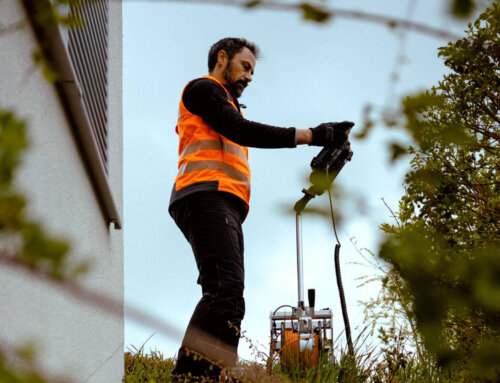
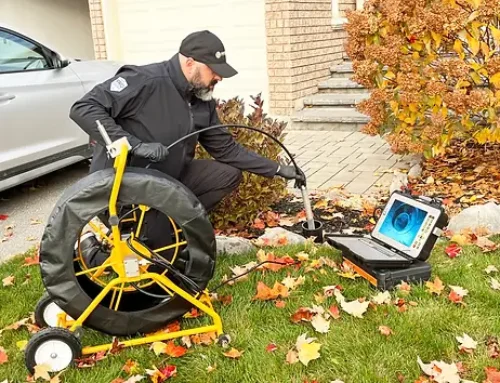
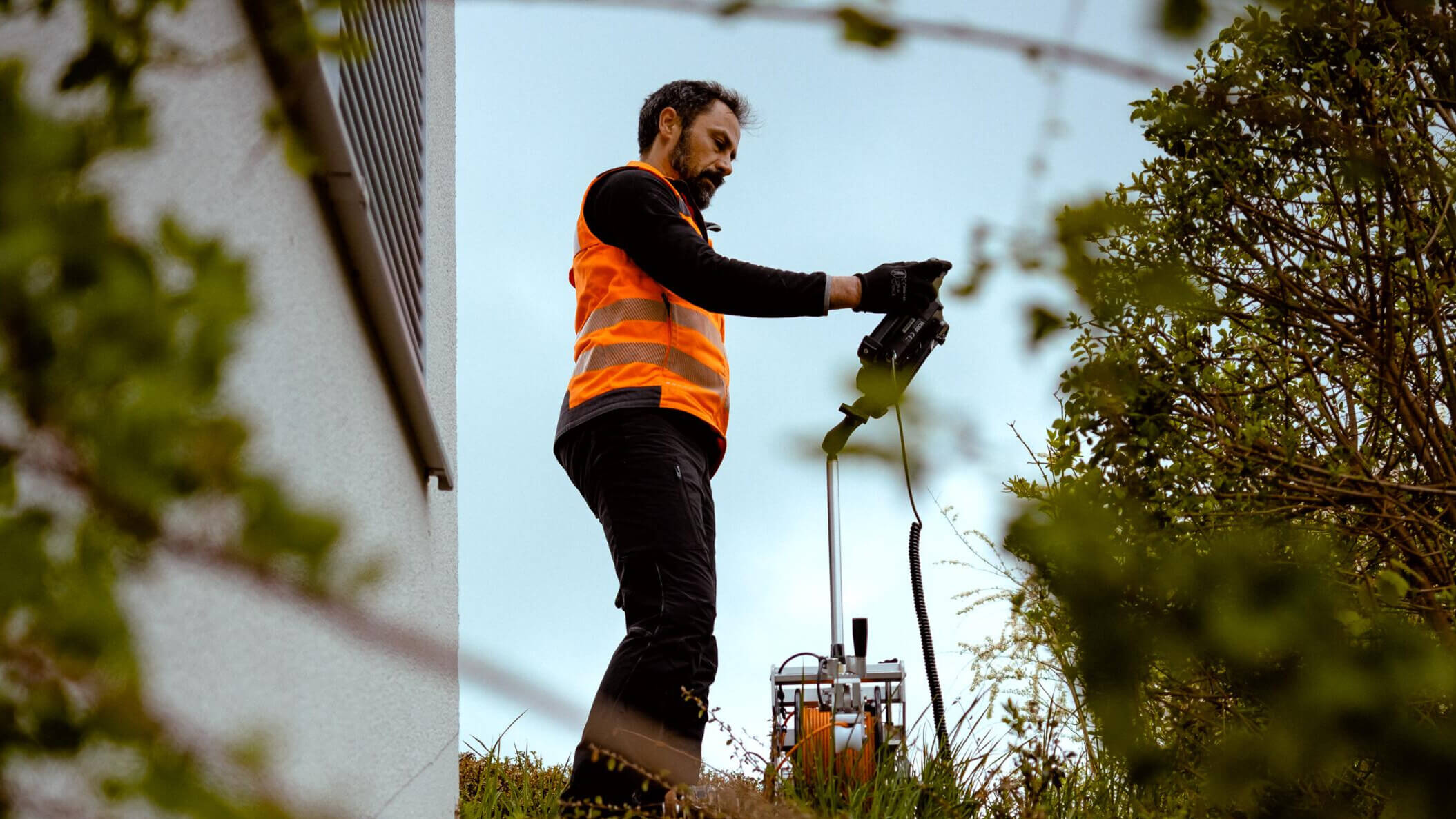
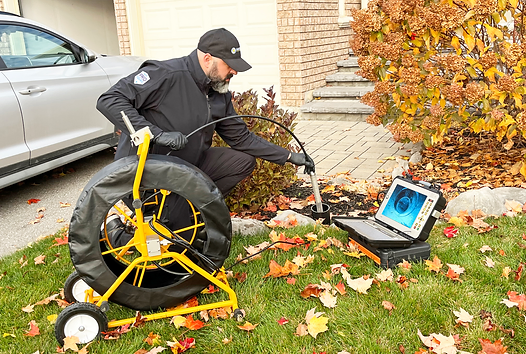
Push rod camera systems are among the most common inspection tools used by plumbing professionals. These manually operated cameras are designed for smaller pipes and shorter inspection distances.
Typical capabilities include:
- Suitable for pipes 25mm to 100mm (1 to 4 inches)
- Inspection reach of approximately 30 to 60 metres
- Manual push operation
- Compact and portable design
Push rod systems are widely used for residential inspections and diagnosing common drain issues such as:
- Blocked drains
- Root intrusion
- Pipe misalignment
- Minor pipe damage
Portable Inspection Camera Systems
Portable inspection systems are designed for professionals who require mobility and quick deployment across multiple job sites.
Key advantages include:
- Lightweight, compact systems
- Battery powered operation
- Rapid setup for quick inspections
- Ideal for service technicians working across multiple sites
Portable systems are commonly used for preliminary inspections or situations where speed and mobility are important.

Crawler and Mainline Camera Systems

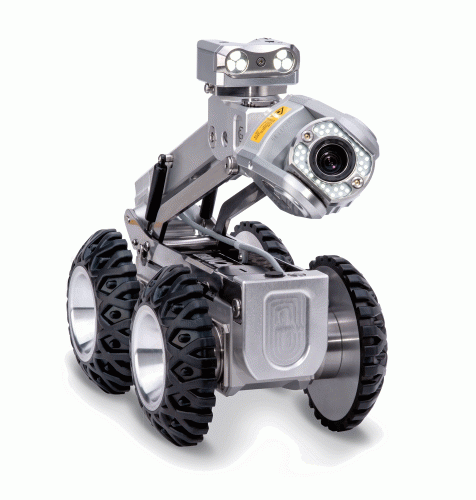
Crawler inspection systems represent the most advanced pipe inspection technology available. These remote controlled units are designed for larger pipes and longer inspection distances.
Crawler systems typically offer:
- Remote controlled operation
- Suitable for pipes 150mm (6 inches) and larger
- Inspection distances exceeding 300 metres
- Pan, tilt, and zoom camera functionality
Advanced crawler systems may also include:
- High definition imaging systems
- Adjustable LED lighting arrays
- Laser measurement tools
- Automated inspection reporting features
These systems are commonly used by municipal authorities, utilities, and infrastructure contractors responsible for large sewer networks.
Key Features to Evaluate When Buying a Sewer Camera
Selecting the right inspection equipment requires careful consideration of several technical features that influence inspection accuracy and system reliability.
Camera Resolution and Image Quality
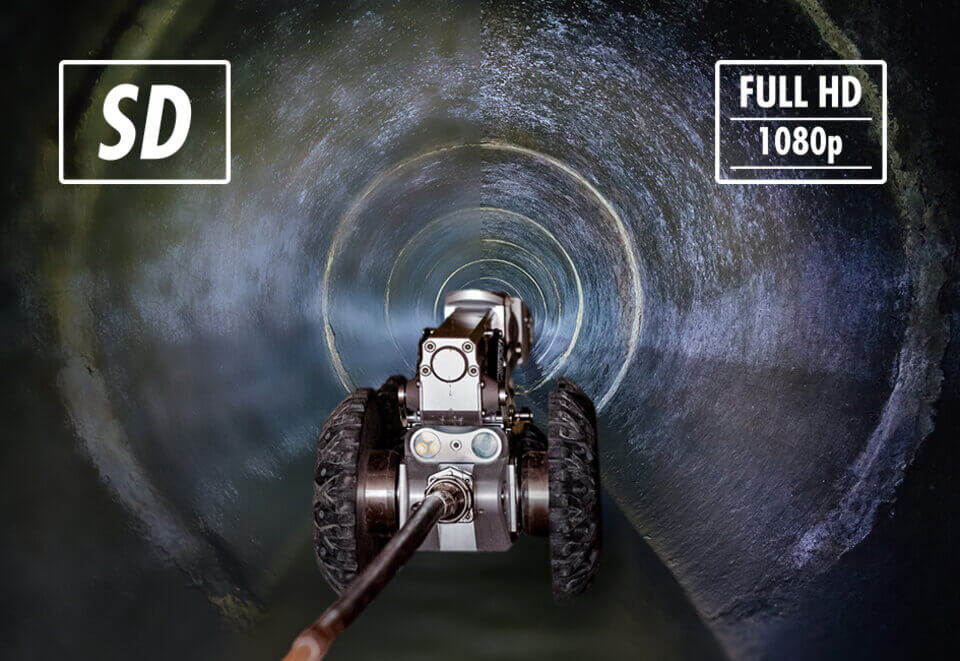
Camera quality directly impacts the ability to detect pipeline defects and document inspection findings.
Modern inspection systems typically include:
- High definition cameras with at least 1080p resolution
- Advanced LED lighting systems for dark pipe environments
- Auto focus capabilities
- High dynamic range imaging for challenging lighting conditions
Higher resolution cameras provide clearer footage and more reliable defect identification.
Cable Strength and Push Rod Design
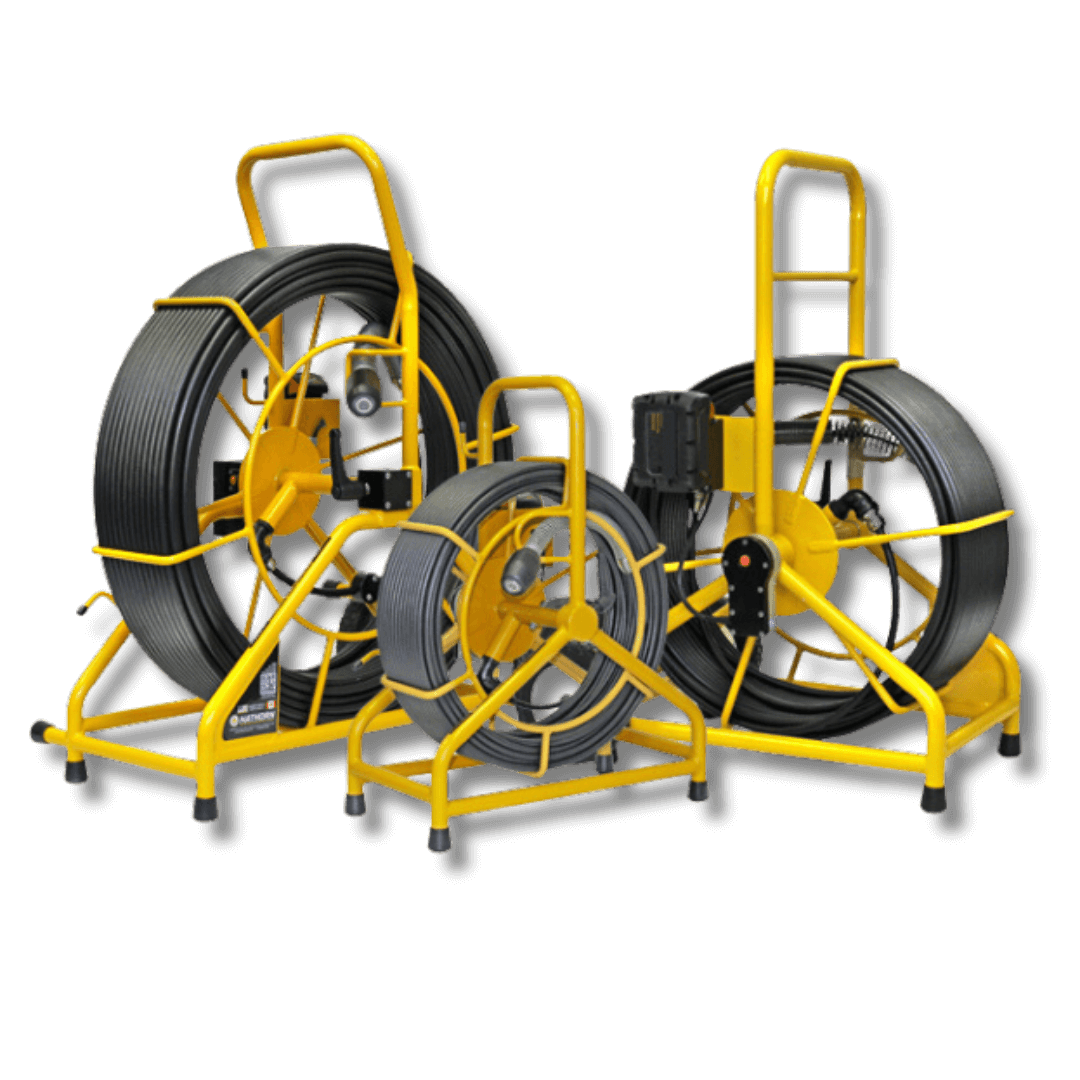
The push rod cable is one of the most critical components of any sewer inspection camera system. It must withstand harsh conditions, repeated use, and physical stress during inspections.
Important cable features include:
- Fibreglass push rods with a minimum diameter of 10mm
- Kevlar reinforcement for added durability
- Flexible cable cores with strong crush resistance
- Waterproof connectors rated to IP68 standards
Additional design features may include:
- Distance markers at one metre intervals
- Wear resistant outer coatings
- Self levelling camera heads
- Quick connect cable fittings for easy maintenance
Control Systems and User Interface
Modern sewer inspection systems incorporate digital control systems that improve ease of use and inspection reporting.
Typical interface features include:
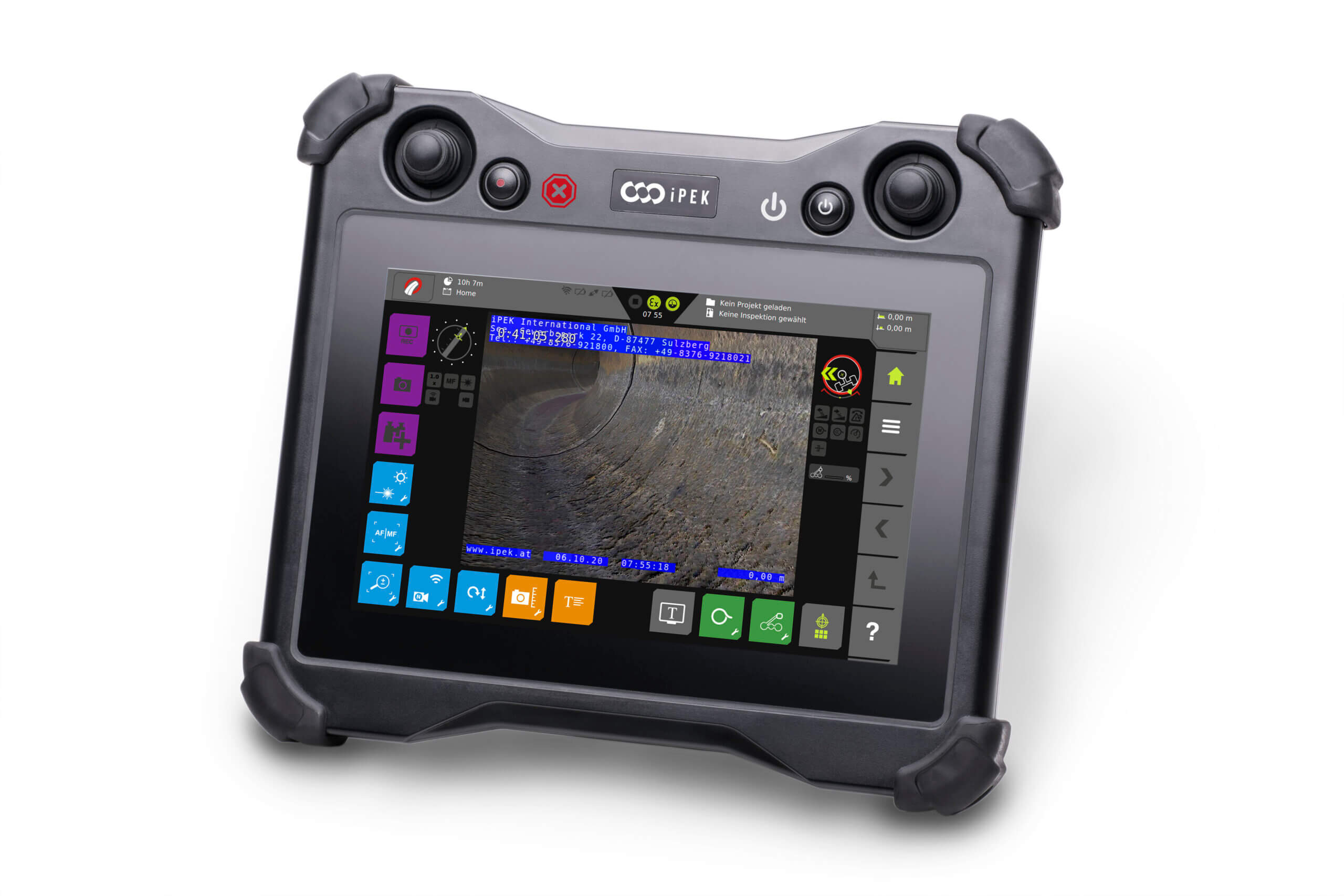
- Touch screen control displays
- Minimum 10 inch screens for clear viewing
- Customisable inspection reporting templates
- Integrated video and photo recording
Advanced systems may also include:
- Voice annotation capabilities
- Automated report generation
- WiFi connectivity for remote viewing
- Cloud based data storage
These features allow technicians to document inspections efficiently and deliver professional reports.
Sewer Camera Cost and Return on Investment
The price of sewer inspection systems varies depending on system capabilities and intended applications.
Typical price ranges include:
| System Type | Price Range (AUD) | Typical Applications |
| Entry-Level Push Cameras | $7,500-20,000 | Residential plumbing |
| Mid-Range inspection Systems | $20,000-55,000 | Commercial inspections |
| Professional Crawler systems | $55,000-140,000 | Municipal infrastructure |
| Truck mounted inspection systems | $140,000+ | Major sewer networks |
When assessing return on investment, consider:
- Average inspection revenue between $300 and $800 per job
- Typical weekly usage of 15 to 20 hours
- Maintenance costs of roughly 5 percent of the purchase price annually
- Equipment lifespan of approximately five to seven years
For many businesses, a professional sewer camera system can recover its cost within 18 to 24 months of regular use.
Environmental and Durability Requirements
Sewer inspection equipment must operate reliably in harsh underground conditions. Choosing durable equipment ensures long term performance.
Waterproofing and Equipment Protection
Inspection cameras frequently operate in wet or submerged environments.
Essential durability features include:
- IP68 waterproof protection
- Corrosion resistant materials
- Impact resistant housings
- Wide temperature tolerance
Battery Life and Power Management
Battery performance is another important consideration for field operations.
Modern inspection systems often provide:
- Minimum four hour battery life
- Fast charging capabilities
- Backup power options
- Power management systems that optimise battery usage
Reliable power ensures inspections can be completed without interruptions.
How to Choose the Right Sewer Camera System
Selecting the right sewer camera system requires evaluating your operational requirements and future growth plans.
Important decision factors include:
- Primary inspection applications
- Typical pipe diameters inspected
- Required inspection distances
- Budget limitations
- Long term business growth projections
Investing in equipment that supports both current needs and future expansion ensures better long term value.
Frequently Asked Questions About Sewer Cameras
Ready to Invest in Professional Pipe Inspection Equipment?
Selecting the right sewer camera system is an important investment that directly affects inspection accuracy, operational efficiency, and service quality. Evaluating camera capabilities, durability, inspection range, and reporting features helps ensure your equipment supports both current operations and future growth.
If you are considering purchasing sewer inspection equipment or upgrading your existing system, the specialists at SECA can help guide you through the selection process. Their team provides expert advice and advanced pipeline inspection solutions tailored for plumbing contractors, utilities, and infrastructure asset managers.
For tailored recommendations and to explore professional sewer camera technologies, visit SECA.